
DRUG-RELATED VIOLENCE IN MEXICO: Expanding Social Development to Inter-Communal Justice Programs
- Paola A. Granados Jaramillo
- Jan 12, 2023
- 2 min read

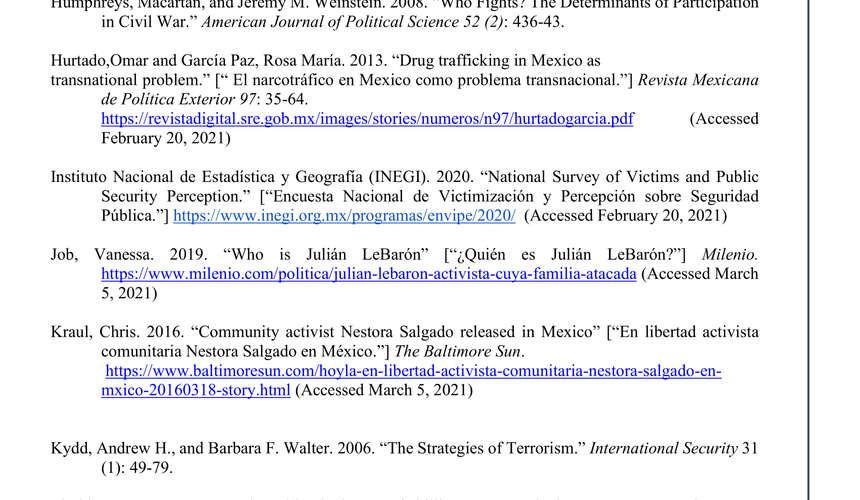
Over the last decade, violence in Mexico has been mainly concerned with the number of homicides caused by the armed conflict between drug trafficking organizations and the Mexican government. Since 2006 there have been 40,244 civilian deaths recorded by the Uppsala Conflict Data Program, however, this figure does not take into account state-based violence, and forcibly disappeared and unidentified persons (UCDP 2021). Reports from Mexico’s National Institute of Statistics and Geography (INEGI) and the National Public Security System (SNSP) maintain that since 2006 the country has experienced around 150,000 homicides related to organized crime and 73,000 civilians considered disappeared (CRS 2020).
The splintering of cartels and rise in the number of criminal actors in Mexico over the last ten years, as well as the rise of autodefensas, and the depth of corruption across different levels and branches of the government have escalated other forms of violence such as torture, kidnappings, and extortions, as well as the war on drugs to a point where understanding violence and navigating the everyday life in conflict zones have become difficult for communities to deal with. Moreover, national attempts at negotiation with the increased number of organized groups seem difficult to coordinate. It has become clear that after 14 years of militarized policies such approach is ineffective.
Hence, for the war on drugs to come to an end and reduce civilian exposure to violence in the time-being, victim-focused programs have to be implemented alongside regional and national policies. There is no quick fix for the situation. Mexico is constituted by 32 federal entities –31 states and the capital, Mexico City– that face widespread violence, therefore the short-term creation of tailored plans that address the unique circumstances of each entity and how to best deal with the conflict should be a priority.
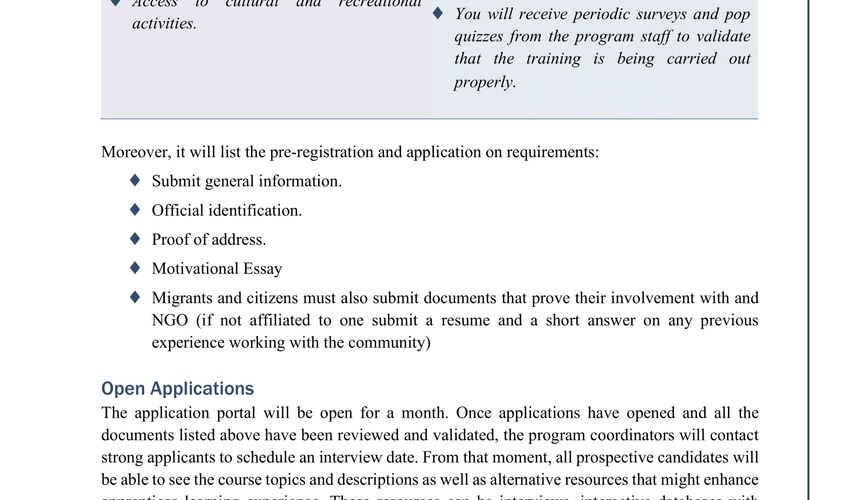
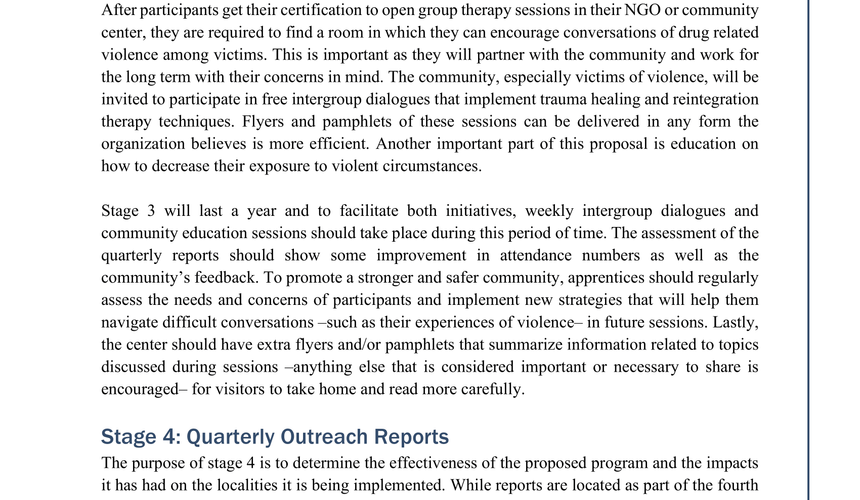
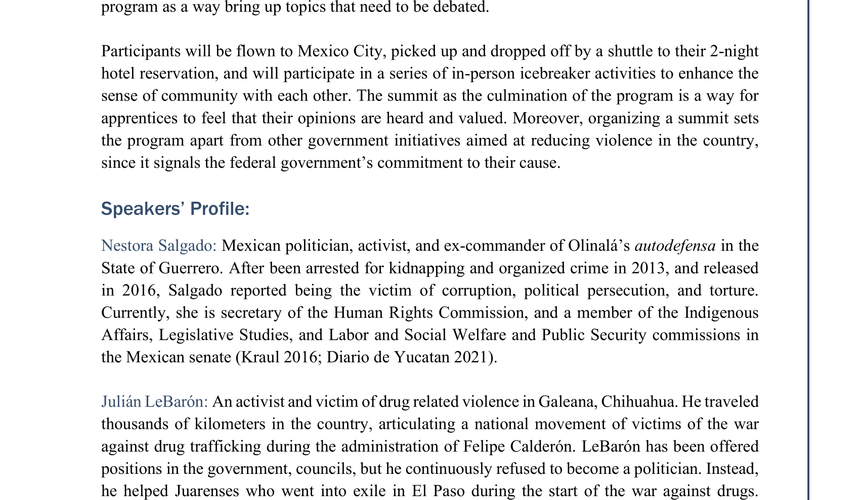
The reforms that are necessary to cleanse Mexico's institutions and enable them to do their job will require years of gradual and meticulous effort from all sides. One single national strategy will not work everywhere as every cartel operates differently and every region has access to different budgets, as well as different social programs and government initiatives. As such, this policy brief outlines the nature of the conflict, the main perpetrators, and the most affected regions as well as its relevant cases. Moreover, it discusses a series of regional and national policies that will address the proliferation of drug cartels and civilian assistance, including the creation of an apprenticeship program focused on reintegration therapy and reduction of violence exposure for communities vulnerable to drug related violence.

































ABOUT:
The MHCCSPV (Mount Holyoke College Center for the Studies of Political Violence)
was created as part of Professor Andrew G. Reiter's semester long INGO simulation.
As a member of this class, I wrote this policy brief and proposals for my final project.
Comments